Crypto losses usually happen because one weak link breaks, not because the tech “fails” all at once.
1- List your assets and access paths
Record each wallet and exchange, plus how you sign in and how you recover access if locked out.
Note every connected email address, phone number, authenticator, and recovery method that could override your login.
If you can’t explain your recovery path in one minute, it’s too complex and needs simplifying.
Pick your “security tier” per wallet
Use a “daily” wallet tier for small balances and a “vault” tier for larger balances and long-term holds.
The daily tier can prioritize convenience, but the vault tier should prioritize offline keys and slower withdrawals.
This is the foundation of crypto safety, because it stops one mistake from risking everything at once.
Lock down your core accounts first (email, exchange, phone)
Secure the email account tied to your exchange, because email resets are a common takeover path.
Harden exchange logins next, because exchanges are frequent targets for phishing and credential theft.
Reduce phone-based risk by limiting SMS-based recovery, because SIM swaps can bypass weak setups.
Use long, unique passwords with a manager
Use a password manager and create long, unique passwords for email and every exchange login.
Prefer passphrases you can type accurately, because length matters more than forced complexity rules.
Never reuse passwords across services, because one breach can cascade into multiple takeovers.
Turn on phishing-resistant MFA and store recovery codes
Enable multi-factor authentication everywhere, and prefer phishing-resistant methods like FIDO2/WebAuthn when available.
Avoid relying on SMS codes for critical accounts when better options exist, because attackers can hijack phone numbers.
Save recovery codes offline in a secure place, because they can be your last lifeline if a device is lost.
2- Choose the right wallet setup for how you actually use crypto
Use self-custody only if you’re ready to protect keys and backups with real discipline.
If you use an exchange, reduce exposure by keeping only what you need for near-term trading or spending.
If you self-custody, assume your seed phrase is the master key and protect it like physical cash and IDs combined.
This is where safe cryptocurrency becomes real, because your recovery method is your ownership.
Match wallet type to risk: hot for spending, hardware for storage
Use a software “hot” wallet for small daily amounts and a hardware wallet for larger long-term storage.
Encrypt wallets and devices, because basic encryption helps protect against casual theft and local snooping.
Keep your “vault” wallet offline as much as possible, because remote attacks can’t steal what they can’t reach.
Back up your seed phrase correctly and keep it offline
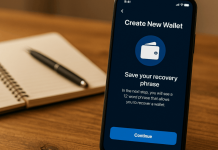
Many wallets give you a seed phrase, and writing it down safely is often the only way to recover the wallet.
Never share your recovery phrase with anyone and treat any request for it as a likely scam or phishing attempt.
Store backups offline in secure locations, and avoid photos, cloud notes, or messages that can leak later.
3- Use safer transaction habits to prevent irreversible mistakes
Assume transactions are final, because “undo” is rarely possible once funds leave your control.
Make address verification a habit, because clipboard malware and fake deposit addresses are common traps.
Use small test transfers when moving large amounts, because it’s cheaper than a total loss.
These crypto safety tips matter most when you’re tired, rushed, or switching between devices.
Verify addresses and networks before sending
Confirm the address at the start and end, and verify it again on the device screen if using a hardware wallet.
Avoid copying addresses from chats and ads, because attackers often swap them with lookalike strings.
If a platform supports it, use QR codes carefully and verify the result, because scans can still be manipulated.
Add friction where it protects you
Turn on withdrawal allowlists, address books, and time delays if your exchange offers them.
Use separate “deposit” and “withdrawal” labels in your notes so you don’t mix up similar-looking addresses.
This intentional friction is part of crypto safety procedures because it slows down attackers and prevents rushed errors.
4- Harden the devices and networks you use for crypto
Your wallet security is only as strong as the device and browser touching it.
Keep systems updated, because updates commonly patch known security issues athat ttackers exploit.
Use a clean browser profile (or a dedicated device) for crypto to reduce extension and tracking risk.
Avoid logging into wallets on shared or unmanaged machines, because you can’t verify what’s installed.
Keep software updated and reduce the attack surface
Enable automatic updates for your operating system, browser, and security tools whenever possible.
Remove unused browser extensions and avoid installing random “airdrop” tools that demand wallet permissions.
Lock screens, use full-disk encryption, and set strong device passcodes to protect against physical loss.
Be careful with public Wi-Fi and unknown networks
Avoid sensitive crypto actions on public Wi-Fi, because those networks increase interception and spoofing risks.
If you must connect, verify the network name with staff and avoid auto-join features that connect you silently.
Prefer a trusted home network or your own hotspot for high-value actions like withdrawals and seed recovery.
5- Build scam resistance into your daily behavior
Most theft attempts start with manipulation, not code, so treat social engineering as a primary threat.
Be skeptical of urgency, secret “support channels,” and strangers offering guaranteed returns.
Assume any “recovery service” is suspicious, because legitimate recovery is rare once funds are sent away.
These crypto security tips protect you even if you never touch DeFi or advanced tools.
Recognize the highest-frequency scam patterns
Investment fraud often pushes crypto as both the “investment” and the payment method, especially through social contact.
Scammers may pressure you to keep depositing into fake “investment platforms,” and victims can lose everything sent.
Treat unsolicited DMs, fake support, and “limited-time” offers as hostile until proven safe.
Know what to do immediately if something feels off
Stop interacting, stop sending funds, and move remaining assets to a safer wallet if you suspect compromise.
Change passwords and revoke wallet permissions, then re-secure accounts with stronger MFA before resuming activity.
Never pay someone who contacts you offering to recover lost crypto, because that’s a common follow-up scam.
6- Maintain your setup so security doesn’t decay over time
A good setup fails when it slowly drifts, like when new apps get installed, and old backups get forgotten.
Schedule quick reviews so your defenses stay current without turning security into a full-time job.
Keep written notes on where backups are stored, but don’t include the seed itself in any digital document.
This last step turns crypto safety procedures into a sustainable habit, not a one-time project.
Conclusion
Crypto safety works best when the checklist becomes a habit, not a one-time setup.
Use these crypto safety procedures as a repeatable routine that stays effective even when life gets busy.
Revisit your crypto safety tips monthly so small changes do not quietly weaken your protection.